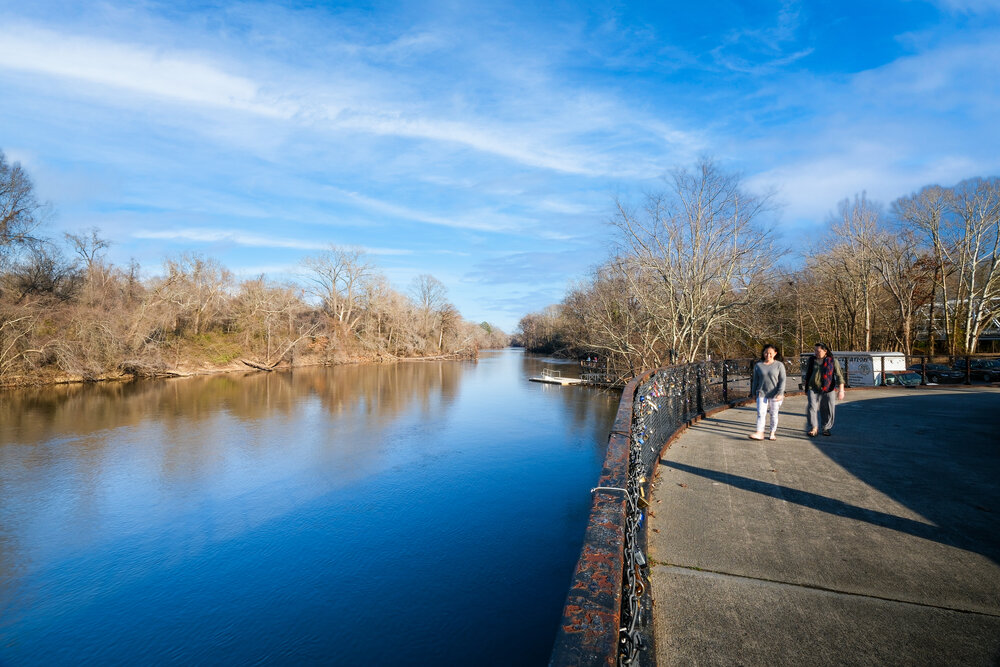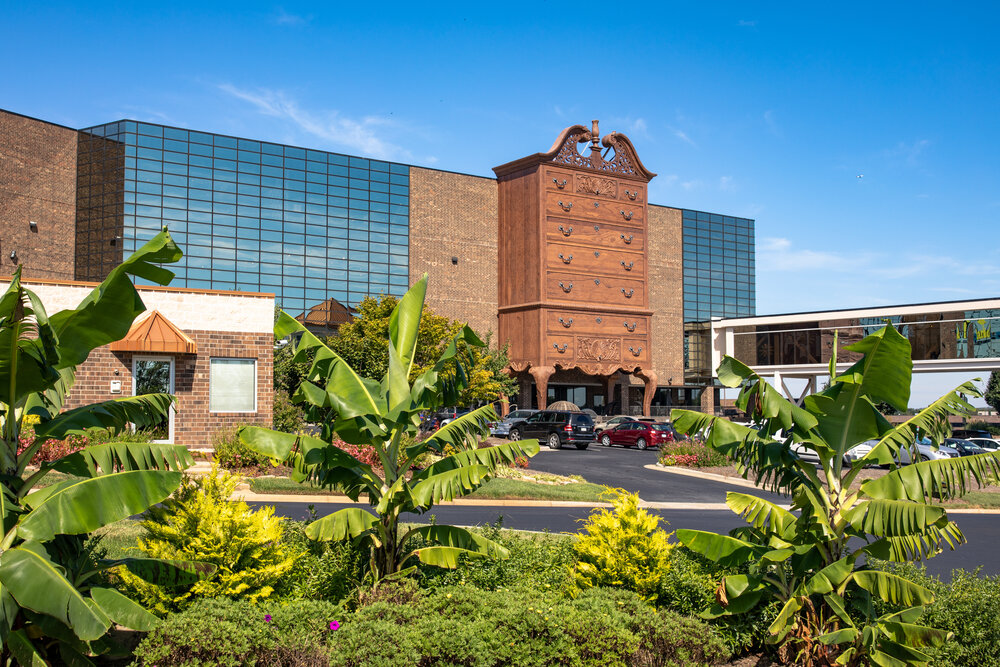
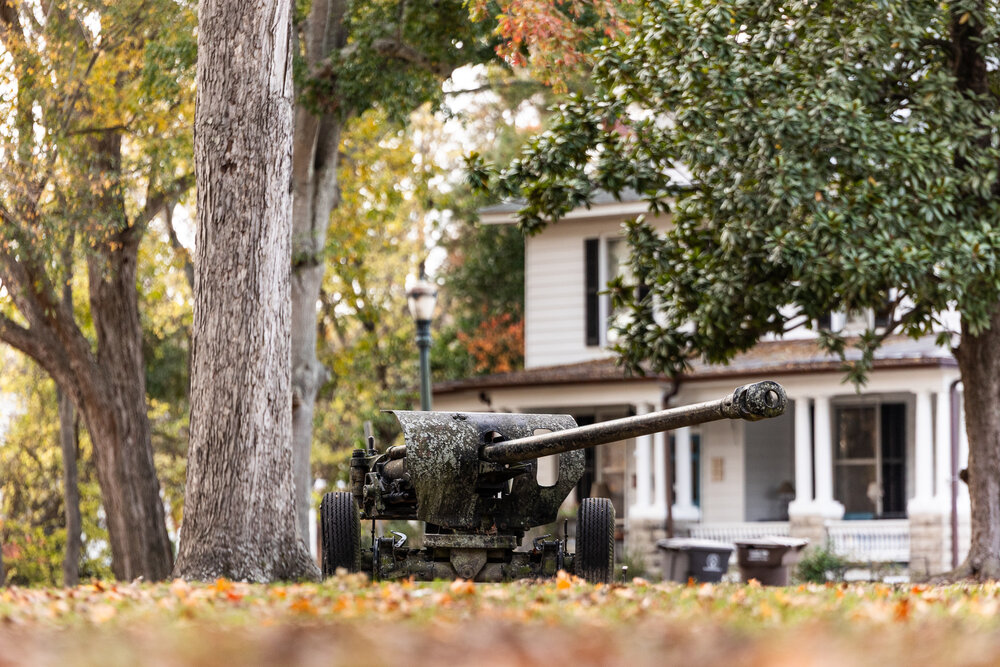
History in North Carolina goes beyond plaques along a sidewalk. Generations have molded the distinctive locations that shape the identity of the state. In Certified Retirement Communities like Tarboro, Edenton and Laurinburg, history lives in the homes that line downtown streets and the landmarks that have stood the test of time. Regardless of whether you enjoy local heritage or slowing down to appreciate the past, these locations offer memorable ways to step back in time while immersing yourself in the reasons why people have called them home for decades.
What Makes a North Carolina Town a Certified Retirement Community?
Each location within this article is a Certified Retirement Community, verifying they are equipped to meet the unique needs of 55+ adults. In order to be considered, the community has emergency medical services within 30-miles and a proven support network including local businesses, social and faith institutions. Additionally, community leaders share future initiatives that will further enhance the quality of life for retirees.
Centuries of Architecture in Tarboro
One walk through Tarboro’s historic district reveals why it has long been recognized as one of NC’s architectural treasures. The town’s self-guided Historic Homes Walking Tour passes beautifully preserved residences representing more than a century of design, with some houses dating from the late 18th century. Along the way, you’ll pass elegant Queen Anne residences, Colonial Revival homes and early bungalows while learning about the merchants, teachers, physicians and civic leaders who once called them home.
The tour also includes the Blount-Bridgers House, built in 1808 and now operating as a museum and art gallery. In addition to preserving Edgecombe County’s history, the home houses the permanent collection of Tarboro-born artist Hobson Pittman, offering another way to connect with the community’s cultural legacy.
NC’s Colonial Past in Edenton
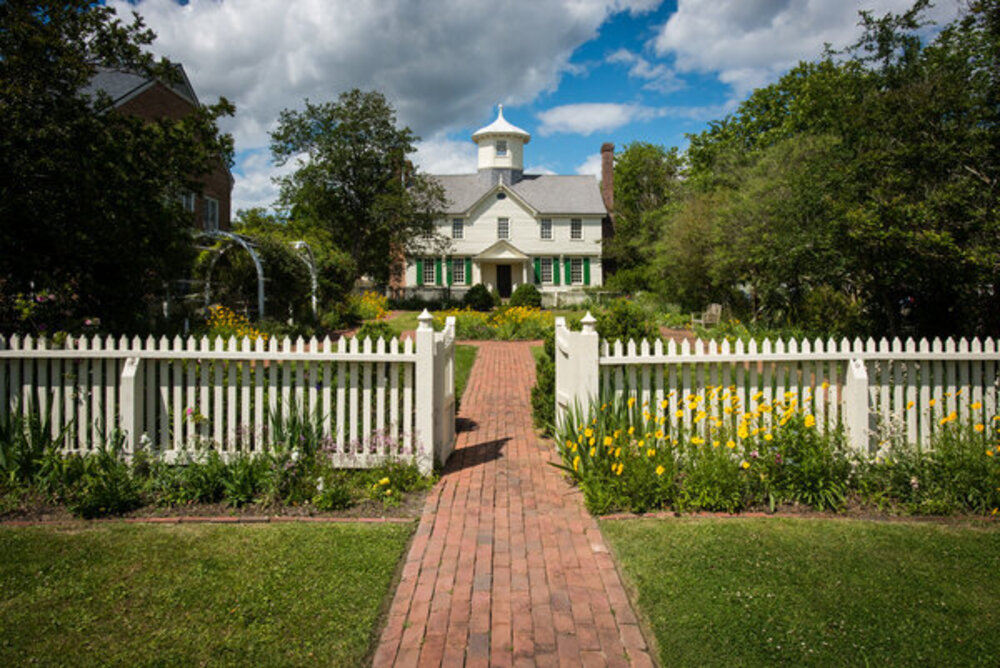
Due to its status as the state’s first colonial capital, few communities capture NC’s early history quite like Edenton. Its walkable downtown is home to some of the oldest public buildings, churches and homes in the state. A guided trolley or walking tour offers an easy introduction before visitors explore landmarks such as the 1767 Chowan County Courthouse, the Cupola House and the Roanoke River Lighthouse overlooking Edenton Bay.
History extends beyond the town’s architecture; Edenton preserves the stories of people whose influence reached far beyond its waterfront. From the Edenton Tea Party, where 51 women signed a resolution protesting British goods in 1774, to Harriet Jacobs’ courageous escape from slavery and later work as an abolitionist and author, you can surround yourself with events that helped build the country into what it is.
Rural Heritage in Laurinburg
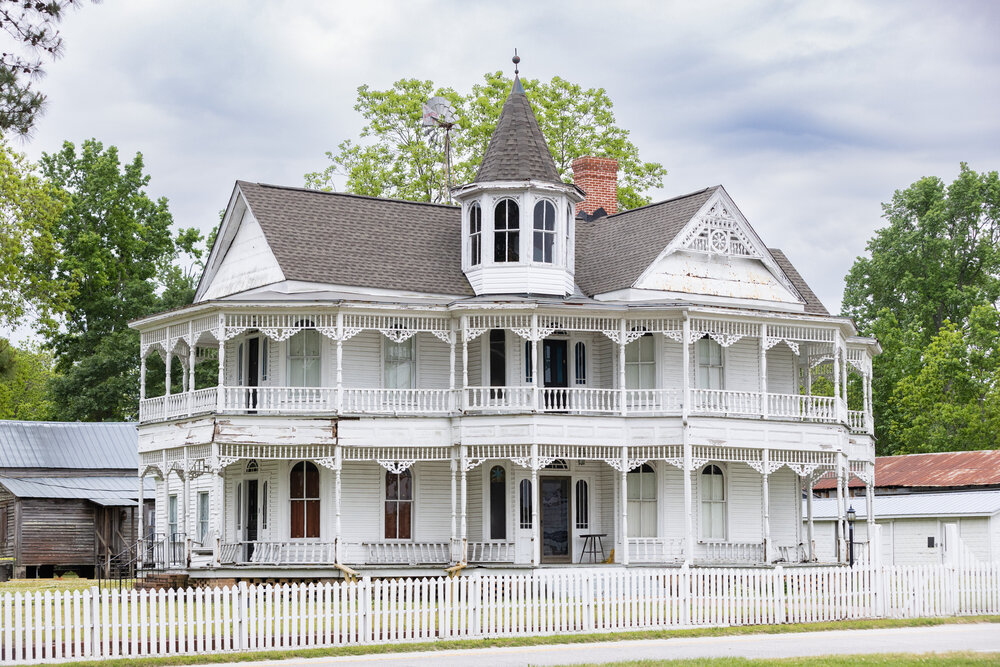
Laurinburg offers a different perspective on NC’s past through the North Carolina Rural Heritage Center. Anchored by the John Blue House, the campus preserves the traditions of Scotland County with a collection of historic buildings, agricultural exhibits and Heritage Village, where relocated structures paint a picture of life in the late 1800s. Historic demonstrations provide a closer look at the skills and daily routines that once defined rural life across the region.
Rather than focusing on a single moment in history, this experience highlights the everyday craftsmanship that laid the foundation for historic Scotland County. Walking through these grounds provides a greater appreciation for the culture that continues to influence Laurinburg to this day.
The historic architecture of Tarboro, colonial streets of Edenton and rural heritage of Laurinburg provide lasting context on how these towns came to be people’s homes. Alongside each community offering its own window into NC’s past, they continue to accommodate the present through walkable downtowns, pet-friendly accommodations and active festivities year-round. When taking a visit, you might find that the same places preserving history today offer a welcoming place to imagine your future.